

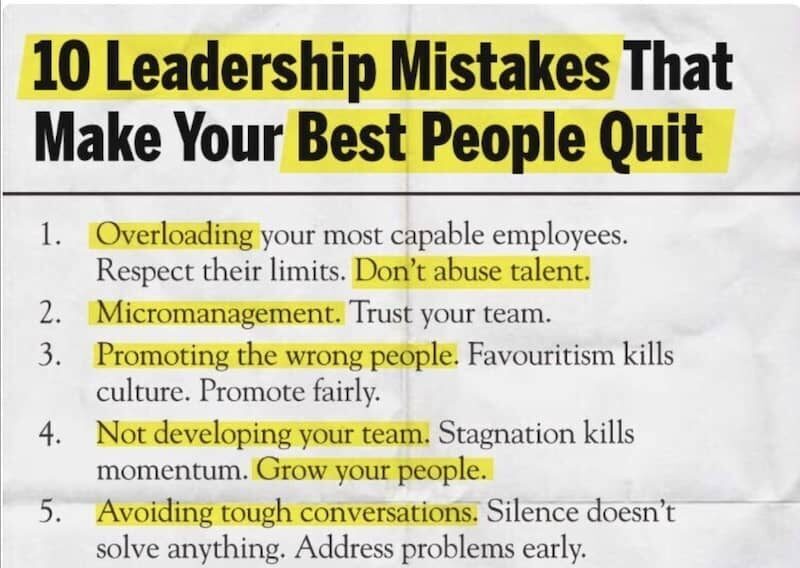
The reward for being great at her job was everyone else’s job.
In my operating days, I had a manager on my team who was the person I called when something was on fire.
Client transition going sideways? Her. Reporting a mess three days before a board meeting? Her. Somebody had to get on a plane Sunday night? Her.
She never said no. Not once.
I thought I was giving her opportunity. Visibility. The stretch assignments that get people promoted. If you had asked me, I would have told you she was the most developed leader on my team.
Then she resigned.
In that last conversation she said something I still think about: “I was never really given a job. I was given whatever was left over.”
I hadn’t been developing her. I’d been consuming her.
Here’s the trap, and I see some version of it in nearly every leader I work with. Your best person is the shortest path to a solved problem. So the problems go to them. It isn’t favoritism and it isn’t malice — it’s closer to physics. Work flows downhill toward competence.
And every time you route another fire to your most capable person, you’re doing two things at once.
You’re teaching them that the reward for excellence is exhaustion.
And you’re keeping yourself exactly where you are — in the middle of it, dispatching, deciding, solving.
A team that leads itself can’t be built on one person absorbing everything the system can’t handle. That isn’t a team. That’s a bottleneck with a good attitude.
The leaders who actually get out of the day-to-day do the slower thing. They build the second person who can carry it. They let the fire burn ten minutes longer while someone less experienced learns to put it out.
It’s the least efficient choice you’ll make this quarter, and it’s the only one that moves you from working in the business to working on it.
Who on your team is carrying the load right now, not because it’s their job, but because they’re the easiest place to put it?
Comments are closed